
A hole watch, also called a confined space attendant, is the trained person stationed outside a permit-required confined space who monitors conditions, controls who enters and exits, stays in constant communication with entrants, and summons rescue if something goes wrong. Under OSHA 1910.146, an attendant is required for every permit-required confined space entry, and that person may never leave their post or enter the space to attempt a rescue themselves.
What is a hole watch?
“Hole watch” is the common field name for the confined space attendant, one of the three roles OSHA defines for a permit-required confined space entry (the others are the authorized entrant and the entry supervisor). The hole watch is the person outside the space whose entire job is to keep the people inside it safe.
The role exists because confined spaces (tanks, vessels, pits, separators, and similar) can turn deadly fast. Atmospheres go oxygen-deficient or toxic without warning, often past the H2S exposure limits before anyone notices, and an entrant who is overcome cannot save themselves. The attendant is the early-warning system and the link to rescue.
Is a hole watch the same as a confined space attendant?
Yes. “Hole watch” is the informal, on-site term. “Confined space attendant” is the formal OSHA term for the same role. Some crews also say “top man” or “standby man.” All refer to the trained person posted outside the space to monitor entry.
What does a hole watch do?
OSHA 1910.146 spells out the attendant’s duties. In practice, a hole watch must:
- Know the hazards of the space, including how exposure signs and symptoms may present.
- Maintain an accurate count of everyone in the space at all times.
- Stay outside the space for the entire entry, and never leave the post until relieved.
- Monitor conditions inside and outside the space, and order an evacuation if a prohibited condition, a behavioral effect of exposure, or an outside hazard appears.
- Keep communication with entrants throughout the entry.
- Summon rescue and emergency services as soon as they are needed.
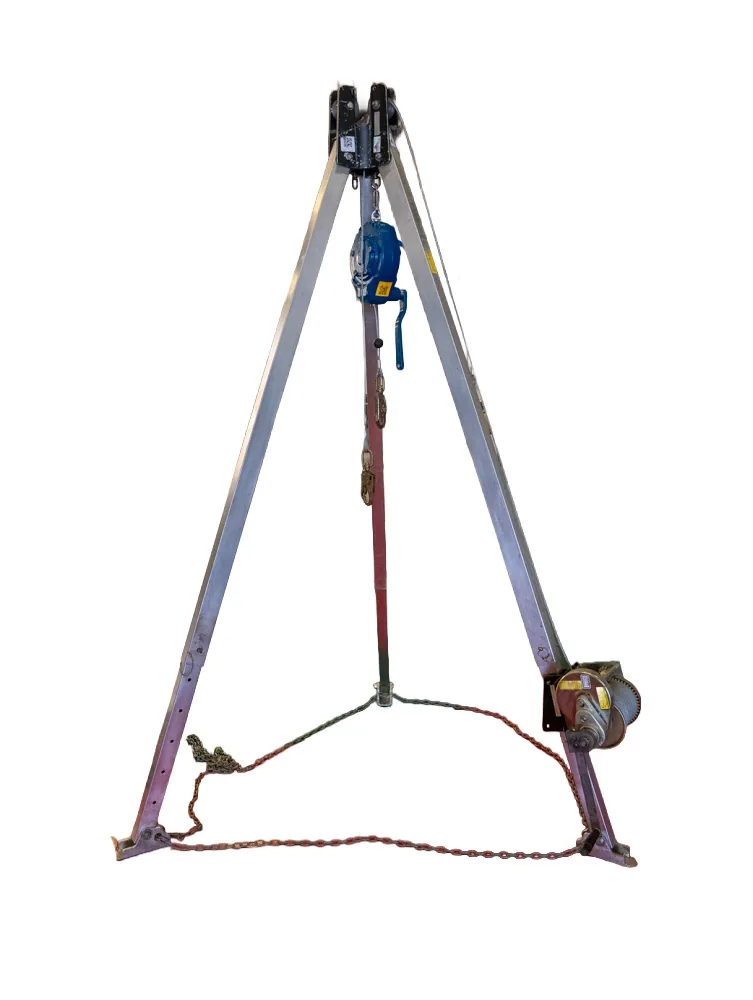
- Perform non-entry rescue where possible (for example, using a retrieval line and winch) without entering the space.
- Keep unauthorized people away from the space.
Can a hole watch enter the space to rescue someone?
No. This is the single most important rule of the role. If an entrant goes down, the attendant summons rescue and attempts non-entry rescue from outside using retrieval equipment. An attendant who rushes in becomes the next casualty, which is exactly how confined space incidents multiply. The only exception is a narrow one: the attendant may enter only if relieved by another qualified attendant first, and only if the entry program specifically allows it.
When do you need a hole watch?
You need an attendant for every permit-required confined space entry. A space is permit-required if it is large enough to enter and do work, has limited entry or exit, is not designed for continuous occupancy, and has at least one serious hazard: a hazardous atmosphere, an engulfment risk, an inward-sloping or converging shape that could trap someone, or any other recognized serious hazard. On oil and gas sites, that covers a lot: separators, tanks, sumps, cellars, and vessels.
Hole watch, entry supervisor, and rescue team: who does what
- Authorized entrant: the person who enters and does the work.
- Attendant (hole watch): stays outside, monitors, communicates, and calls rescue.
- Entry supervisor: authorizes the entry, verifies conditions, and signs the permit.
- Rescue service: the trained team available to perform entry rescue if non-entry rescue is not possible.
One person cannot be both the entrant and the attendant. OSHA requires that the rescue service be able to respond in a timely manner for the hazards present (1910.146(k)(1)); for IDLH atmospheres that usually means standby rescue on site rather than a call to 911. (See our confined space attendant service and the equipment below.)
The equipment a hole watch relies on
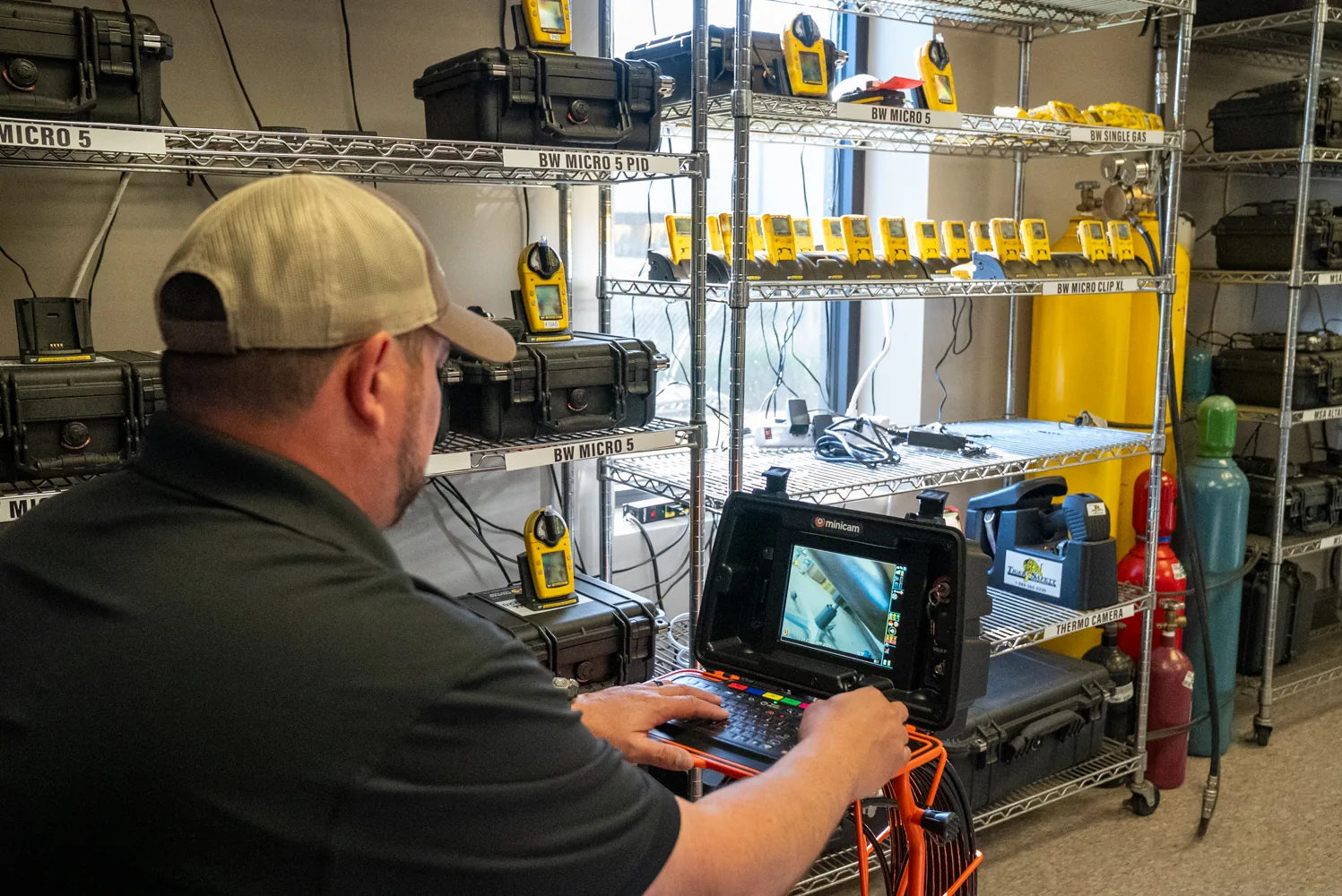
An attendant is only as effective as the monitoring and rescue gear on hand. That typically includes gas detection monitors to test and continuously watch the atmosphere, ventilation and air movers to keep the space breathable, and retrieval and rescue equipment for non-entry rescue.
Frequently asked questions
Does every confined space need a hole watch?
Every permit-required confined space entry needs an attendant. Non-permit confined spaces, which have no serious hazard, do not, but reclassifying a space to non-permit requires eliminating the hazards first and documenting it.
Can one attendant watch more than one space?
Only if the attendant can still perform every duty for each space, including monitoring and rescue response, without being pulled away. In practice, high-hazard entries get a dedicated attendant.
Can a hole watch do other work during the entry?
No. The attendant’s attention has to stay on the entry. Assigning other tasks that pull focus off the space defeats the purpose of the role.
Need a trained hole watch on your site?
Tiger Safety Rentals supplies trained confined space attendants and fire watch personnel, and can pair them with the gas detection, ventilation, and rescue equipment the entry requires, so you get people and gear from one call. See our confined space and fire watch attendant service or call 888-365-5220 for 24/7 dispatch.
