
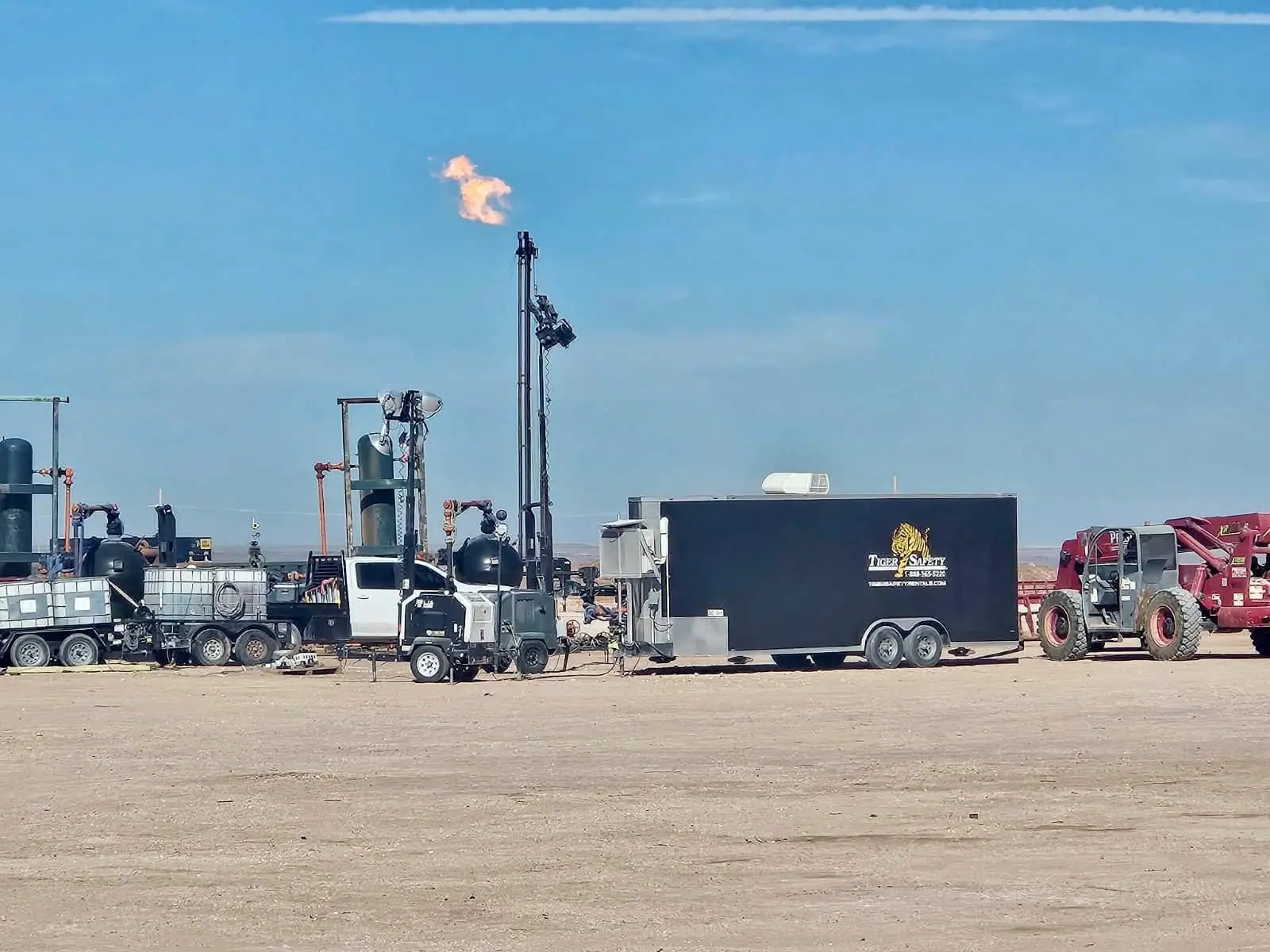
Permit-to-Work Coordinators
One point of control for every hazardous work permit on site, from authorization through safe close-out.
Permit to Work coordinators who act as the central point of control for hazardous work authorization across oil and gas, petrochemical, and industrial operations.
What goes wrong without it
Simultaneous work nobody deconflicted
Jobs running at the same time create hazards no single crew can see. Coordinators keep real-time control of all active permits and job locations to prevent overlapping hazards.
Work that starts before it is authorized
Every permit for confined space entry, hot work, line breaking, electrical work, and working at heights is reviewed, authorized, and signed off before work begins.
Isolations taken on trust
On-site inspections confirm that work conditions align with permit requirements, and gas testing, isolation, and lockout and tagout controls are verified. Coordinators suspend or revoke a permit when conditions are unsafe.
Permits that fail the audit
Accurate records of permit issuance, extensions, and closures, work tracked through safe close-out, and detailed documentation ready for audits and compliance reviews.
Prequalified and compliant
 ISNetworld Member Contractor
 American Petroleum Institute
 Compliance Verified
Controlling risk through safe work authorization
By ensuring every task is properly assessed, authorized, and monitored, our coordinators reduce risk, prevent incidents, and maintain operational safety during complex or simultaneous work activities.
Permit System Administration
Issuing and managing permits for high-risk activities including confined space entry, hot work, line breaking, electrical work, and working at heights, with every permit reviewed, authorized, and signed off before work begins, and real-time control of active permits to prevent overlapping hazards.
Worksite Verification and Safety Compliance
On-site inspections confirming work conditions match permit requirements, verification of gas testing, isolation, and lockout and tagout controls, and authority to suspend or revoke permits when unsafe conditions are identified.
Communication and Coordination
Acting as central liaison between operations, maintenance, and contractors, facilitating daily permit coordination meetings and work authorization briefings, and ensuring job scope, hazards, and mitigations are clearly communicated.
Documentation and Recordkeeping
Accurate records of permit issuance, extensions, and closures, tracking of work status through safe close-out, and detailed documentation for audits and compliance reviews.
Permit to Work coordinators are more than administrators, they are gatekeepers of safety. By controlling authorization for hazardous work and maintaining strict procedural discipline, our team ensures every task is performed under the safest possible conditions.
Coordinators can be staffed into an existing permit system or deployed alongside the attendants and monitoring equipment a scope requires, including confined space and fire watch attendants, gas detection, and isolation verification, through our 24/7 dispatch desk.
One call to full coverage.
Scope the permit workload
Tell us the site, the scope of work, and the schedule. Dispatch matches coordinators who are field-tested in refinery, terminal, and plant operations.
Coordinators staffed into your system
Coordinators work inside your permit to work process and your safety management system, in adherence to OSHA 1910, API RP 2220, and client-specific standards.
Permits issued and authorized
Permits for confined space entry, hot work, line breaking, electrical work, and working at heights are issued, reviewed, authorized, and signed off before work begins.
Conditions verified on site
On-site inspections confirm the work area matches the permit, with the presence and functionality of gas testing, isolation, and lockout and tagout controls verified.
Work deconflicted daily
Daily permit coordination meetings and work authorization briefings, with the coordinator acting as central liaison between operations, maintenance, and contractors.
Closed out and recorded
Work status is tracked and permits are closed out safely on completion, with records of issuance, extensions, and closures kept for audits and compliance reviews.
The equipment behind the service
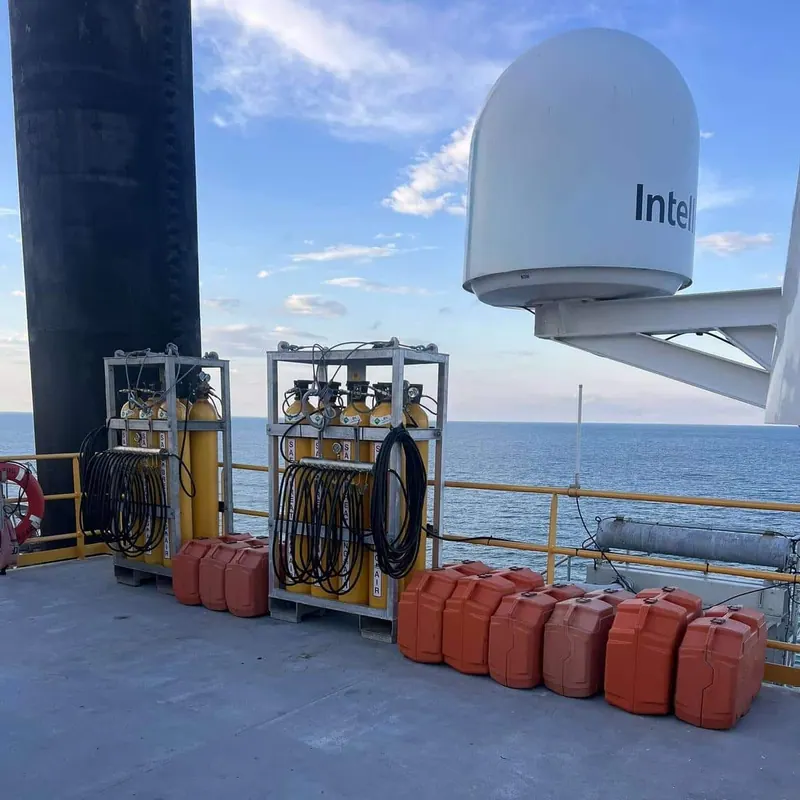
H2S Safety Equipment
Breathing air, alarm systems, and multi-gas detection for sour service work, backed by certified H2S technicians.
View rentals
Confined Space & Rescue
Entry, retrieval, and fall protection gear built to OSHA and ANSI standards, for tank cleaning, vessel inspections, and turnarounds.
View rentals
Cameras & Communication
Explosion-proof cameras, thermal imaging, and Hytera radios that keep crews connected and the site visible in real time.
View rentalsFrequently Asked Questions
What is a permit to work (PTW) system?
A permit to work system is a formal process for authorizing and controlling high-risk work. Before a job starts, hazards are identified, controls are put in place, and the work is approved in writing, so everyone on site knows what is being done, where, and what safety measures are required.
What does a permit to work coordinator do?
A permit to work coordinator administers that system on your site: issuing and tracking permits, verifying that controls are in place before work begins, coordinating between crews and contractors, and keeping the documentation that shows work was authorized and done safely.
What types of permits do you manage?
Coordinators typically manage permits for the high-risk activities on a site, including hot work, confined space entry, work at height, and other tasks your operation requires. This keeps overlapping jobs from creating hazards for each other.
When do you need a permit to work coordinator?
PTW coordination is valuable on turnarounds, shutdowns, and any project where multiple crews or contractors run high-risk work at the same time. A dedicated coordinator keeps the permit process consistent and prevents work from slipping through without proper authorization.
Do you set up the permit system or just staff it?
Most often our coordinators run the permit system your site already has in place. Tell us how permits are handled today and we will scope the role with you.
What is a hot work permit?
A hot work permit is a written authorization for work that produces heat, sparks, or flame, such as welding, cutting, or grinding. It records the location, the hazards nearby, the controls in place such as a fire watch, and who approved the work, so the job cannot start until those safeguards are confirmed.
Who is responsible for issuing a permit to work?
A permit is issued by a designated authority, often a permit to work coordinator, who confirms the hazards are controlled before signing off. Our coordinators fill that role on your site, issuing and tracking permits and verifying controls so the responsibility sits with a trained, consistent point of contact.
How does permit to work relate to lockout/tagout?
Lockout/tagout controls hazardous energy by isolating and locking out equipment, and it is often one of the controls a permit to work requires before a job can proceed. A coordinator makes sure steps like lockout/tagout are verified and documented as part of issuing the permit.
Does a permit to work coordinator help reduce downtime on a turnaround?
Yes. During a turnaround, many crews run high-risk work at once, and a dedicated coordinator keeps permits moving without letting jobs conflict or stall. Consistent permit control means fewer stoppages and a safer, smoother shutdown.
What training and certifications do your coordinators hold?
Training is matched to the role and the site. Our permit to work coordinators carry training such as OSHA, H2S safety, first aid and HAZMAT, and HUET where the work is offshore. We confirm your site's requirements before anyone mobilizes and can provide training records for the coordinator assigned to your job.
